Act III Overview
Act III opens in Verona’s square, where a clash between Montagues and Capulets erupts. Romeo refuses to fight Tybalt, causing Mercutio’s death and his banishment. Friar Laurence counsels, while Juliet’s nurse delivers a secret note, heightening tension. The city’s fate hangs, lovers’ plans grow perilous now!

Setting and Context
Act III of Shakespeare’s classic tragedy unfolds in the bustling heart of Verona, where the city’s public square becomes the stage for escalating family feuds. The scene opens with a tense, almost ceremonial, gathering of the Montagues and Capulets, each side poised for conflict. Benvolio, the Montague cousin, attempts to quell the rising tension, but the city’s atmosphere is charged with a palpable sense of impending violence. Romeo’s refusal to engage Tybalt, the fiery Capulet, marks a pivotal moment that shifts the narrative’s trajectory. This decision leads to the tragic death of Mercutio, Romeo’s close friend, whose death is a catalyst for Romeo’s subsequent banishment. The city’s law enforces the banishment, sending Romeo to Mantua, and the lovers’ secret marriage is left hanging in the balance. Friar Laurence’s counsel offers a glimmer of hope, yet the city’s political and social structures remain rigid, reinforcing the theme of fate versus free will. The setting—Verona’s public square, the city’s law, and the surrounding social order—provides a backdrop that intensifies the drama, illustrating how personal choices collide with communal expectations. The context of the feud, the city’s legal system, and the cultural norms of honor and loyalty all converge to create a tense, high-stakes environment that propels the story forward and deepens the tragedy’s emotional impact. The narrative’s momentum, driven by the lovers’ secret vows and the city’s rigid laws, forces each character toward a tragic resolution underscoring how personal agency clashes with social constraints.!
Key Events
Act III opens with a heated confrontation in Verona’s public square, where Benvolio attempts to restrain the Montague–Capulet feud; Romeo’s refusal to fight Tybalt triggers Mercutio’s fatal retaliation, leading to the young lover’s death and the Montague’s desperate appeal to the Prince. The Prince’s decree banishes Romeo from Verona, sending him to Mantua. Friar Laurence offers counsel, suggesting a plan to reunite the lovers through a secret marriage and a temporary escape. Meanwhile, the Nurse delivers a clandestine message to Juliet, urging her to wait for Romeo’s return. These intertwined events heighten the drama, setting the stage for the tragic climax that follows. The Prince’s decree forces Romeo to flee, while the Nurse’s message urges Juliet to hold on. Friar Laurence’s plan involves a secret marriage and a temporary escape, but the timing is precarious. The city’s law and the feuding families create a backdrop of tension. Romeo’s banishment sets the stage for the lovers’ desperate measures and foreshadows the impending tragedy. The tension escalates as the city’s law enforces the banishment, and the lovers’ secret marriage becomes a fragile hope. Friar Laurence’s plan to reunite them is fraught with risk, and the Nurse’s message serves as a lifeline. The scene culminates in Romeo’s departure, setting a tragic trajectory that will unravel in the following acts. All these events converge, tightening the lovers’ fate and amplifying stakesmore.
Character Motivations
Romeo’s heart is torn between love for Juliet and the violent expectations of his family. His refusal to duel Tybalt stems from a desire to protect his beloved, yet it triggers Mercutio’s wrath and ultimately his own exile. Tybalt’s fury is fueled by a lifelong feud and a need to defend honor, leading him to challenge Romeo to a duel. Mercutio, the witty friend, seeks to defend his friend’s honor and to prove his own courage, but his impulsive nature leads to his death. Friar Laurence, a man of faith, is motivated by a hope to unite the lovers and to use his knowledge of herbs and secrecy to guide them toward a peaceful resolution. The Nurse, loyal to Juliet, is driven by maternal affection and a desire to keep the young couple together, even if it means delivering clandestine messages. The Prince of Verona, tasked with maintaining order, is motivated by the need to quell the violence and to enforce justice, issuing the banishment of Romeo as a stern reminder of the law. Each character’s motivations intertwine, creating a complex web of love, honor, and duty that propels the tragedy toward its inevitable climax. These motivations clash, shaping the narrative’s tension and foreshadowing the resolution that will unfold subsequent acts, as each character grapples with convictions and pressures. Their choices create a equilibrium that collapses, the lovers toward an irreversible fate and the city’s sorrow forever. Their intertwined fates echo through Verona’s streets forever always.

Scene-by-Scene Analysis
Scene 1: Public square clash, Romeo avoids duel, Mercutio dies. Scene 2: Romeo’s banishment, Friar counsels. Scene 3: Nurse delivers Juliet’s secret note, tension rises. Scene 4: Friar’s plan, but threatens. Scene 5: Romeo’s exile deepens, Juliet’s despair grows, setting stage!!!
Scene 1: Public Square Conflict

In the opening scene of Act III, the bustling public square of Verona becomes the stage for a violent clash between the Montague and Capulet households. Benvolio, the peace‑keeping Montague, attempts to quell the rising tension, but the arrival of Tybalt, the hot‑headed Capulet cousin, escalates the situation. Romeo, still reeling from his secret marriage to Juliet, refuses to engage in a duel with Tybalt, citing his newfound love and the sanctity of the peace. Tybalt’s fury turns to a challenge, and the two sides are forced into a chaotic melee. Amid the chaos, Mercutio, Romeo’s witty and loyal friend, steps in to defend Romeo’s honor. Tybalt’s swift blade cuts Mercutio’s throat, and the tragic death of the beloved friend sparks a chain of events that will reshape the lovers’ destiny. Romeo’s reaction to Mercutio’s death—his grief, fury, and subsequent decision to kill Tybalt—sets the stage for his banishment. The scene ends with the city’s magistrate ordering Romeo’s exile, leaving the audience to ponder the consequences of unchecked pride and the fragile nature of love in a feud‑ridden society. The crowd’s roar, the magistrate’s stern voice, and the echo of the sword’s clang all underscore the tragic escalation. Romeo’s internal conflict—between love for Juliet and the need for vengeance—highlights the theme of fate versus free will. The scene’s vivid descriptions of the square’s cobblestones, the banners of both houses, and the tension in the air paint a vivid picture of a city on the brink of civil war, setting the tone for the dramatic unraveling that follows. The tragedy foreshadows the lovers’ doomed fate. The city’s silence after the bloodshed deepens the sorrow.
Scene 2: Romeo’s Refusal to Fight Tybalt
Romeo’s decision to abstain from combat with Tybalt is a pivotal moment that underscores the tension between love and honor. After witnessing the brutal death of Mercutio, Romeo’s emotions are a volatile mix of grief and anger. Yet, he refuses to duel Tybalt, arguing that his heart now belongs to Juliet, whose love has transformed his worldview. This refusal is not merely a personal choice; it is a statement against the cycle of violence that has plagued Verona for generations. The scene captures the internal conflict within Romeo as he wrestles with his loyalty to the Montague name and his newfound devotion to Juliet. The tension escalates as Tybalt’s rage grows, culminating in a confrontation that forces Romeo to act in defense of his friend’s memory. By refusing to fight, Romeo inadvertently sets the stage for the tragic chain of events that will ultimately lead to his exile and the lovers’ desperate attempts to stay together. The scene’s dialogue, rich with Shakespearean wit, reveals Romeo’s vulnerability and the weight of his choice, making it a critical turning point in the narrative arc of the play. Romeo’s hesitation is further illuminated when he reflects on the words of Friar Laurence, who cautions him that love, though powerful, cannot shield him from the consequences of the feud. The crowd’s murmurs grow louder, and the magistrate’s stern gaze reminds Romeo that his defiance will not be tolerated. As the tension reaches a fever pitch, Romeo’s internal monologue reveals a man torn between the duty to his family and the love that has reshaped his identity. His refusal is a silent rebellion against the status quo, a subtle act of defiance that foreshadows the tragic unraveling to come.
Scene 3: Friar Laurence’s Counsel

Friar Laurence’s counsel in Act III is a masterful blend of pragmatism and hope. He first confronts Romeo, urging him to postpone any rash actions that might lead to further bloodshed. The friar’s words are laced with the weight of his pastoral duty: “Romeo, you are a man of love, but love alone cannot shield you from the wrath of Verona.” He reminds the young lover that the feud’s roots run deep, and that a single misstep could doom both families. The friar’s strategy is to keep Romeo out of the public eye, suggesting a temporary retreat to Mantua. He offers a plan to delay the inevitable confrontation with Tybalt, hoping that time will cool tempers and allow the city’s magistrate to reconsider the banishment decree. The friar’s counsel also includes a subtle moral lesson: “Love is a flame that burns bright, but it will be tended with care or it will consume all.” He urges Romeo to consider the consequences of his actions, not only for himself but for the innocent lives caught in the crossfire. In the end, Friar Laurence’s advice is both a lifeline and a warning. It is a testament to his belief that faith and reason can coexist, even in the most desperate of circumstances. The friar’s role as a mediator and confidant is crucial, as he attempts to steer Romeo toward a path that might avert tragedy, while also acknowledging the harsh reality of the feud that threatens to engulf them all.
Moreover, the friar’s counsel is not merely a tactical suggestion; it is a philosophical stance on the nature of love versus duty. He acknowledges Romeo’s passion but warns that unchecked emotion can lead to ruin. The friar’s voice is gentle yet firm, echoing the moral compass that Shakespeare embeds in the narrative. By proposing a temporary exile, he offers Romeo a chance to reflect, to mourn Mercutio’s loss, and to reassess his priorities. The friar also hints at a possible future reconciliation between the families, a glimmer of hope that the feud might be broken through the power of love. Yet, he does not romanticize the situation; he reminds Romeo that the city’s laws are unforgiving, and that the magistrate’s decree is absolute. The friar’s counsel is a pivotal moment that shapes the trajectory of the play, as it forces Romeo to confront the reality that love alone cannot resolve the systemic violence that plagues Verona. This scene is a testament to the complexity of human choice, the weight of responsibility, and the fragile nature of hope in the face of entrenched hatred. His guidance, though fraught, remains a beacon today!!.
Scene 4: The Nurse’s Message to Juliet
In this pivotal scene, the Nurse delivers a secret letter from Romeo to Juliet, urging her to meet him in Mantua. The message is laden with urgency and affection, reflecting the Nurse’s deep loyalty to the young lovers. She explains that Romeo has been banished, yet he remains determined to find a way to stay with Juliet. The Nurse’s tone is both comforting and conspiratorial, as she reassures Juliet that love can overcome the city’s harsh decree. She also hints at the possibility of a future reconciliation, suggesting that the lovers’ devotion might inspire the families to reconsider their feud. The scene underscores the Nurse’s role as a confidante, bridging the gap between the lovers and the outside world. Her message is a catalyst for the ensuing drama, setting the stage for Romeo’s desperate plan and Juliet’s emotional turmoil. The Nurse’s words emphasize the theme of secrecy, as the lovers must hide their union from the watchful eyes of Verona’s authorities. This scene also highlights the Nurse’s pragmatic nature, as she encourages Juliet to act swiftly, lest the chance to reunite be lost. The Nurse’s message, delivered with a mix of tenderness and urgency, propels the plot forward, illustrating the fragile balance between hope and danger in the lovers’ journey. and hope for us!?
As the Nurse speaks, she recalls the street brawl, Mercutio’s death, and Romeo’s exile. She reminds Juliet that the city’s law is unforgiving, yet her love for Romeo remains unshaken. The Nurse urges Juliet to consider the risks of staying in Verona and suggests a clandestine meeting in Mantua to secure their future.

Scene 5: Romeo’s Banishment
Romeo’s banishment is the climax of Act III, a moment that shifts the narrative from the public square to the private anguish of the lovers. After Mercutio’s death, the Prince of Verona orders Romeo to leave the city, threatening death if he returns. Romeo, still in love with Juliet, accepts the exile with a heavy heart, knowing that his absence will separate them forever. The Prince’s decree is delivered in a tone of authority, yet it carries an undercurrent of pity for the doomed romance. Romeo’s decision to obey the law, despite his love, illustrates the conflict between personal desire and civic duty. He is given a choice: stay and face execution or flee to Mantua. He chooses exile, a path that will test his resolve and the strength of his love. The scene ends with Romeo’s departure, leaving the audience to anticipate the consequences of his absence. The banishment not only isolates Romeo physically but also symbolically, marking the point of no return for the lovers. It sets the stage for the desperate measures they will later take, foreshadowing the tragic culmination of their story. The emotional weight of this scene is amplified by the stark contrast between the city’s law and the lovers’ devotion, underscoring the tragedy’s inevitability. The audience is left with a sense of impending doom as Romeo’s footsteps echo away from Verona, and the city’s gates close behind him, sealing his fate and the fate of their love.
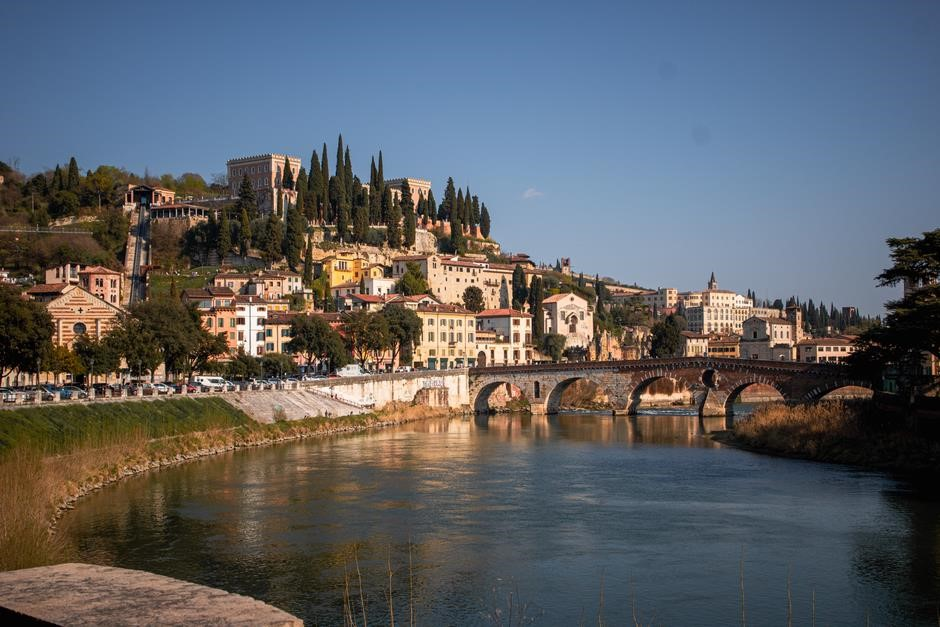
In the aftermath, the city’s silence deepens, and the families’ feud continues, while the lovers’ bond grows, bound by the promise of reunion.

Major Themes
Fate, love, and violence intertwine, shaping the lovers’ destiny. The relentless feud fuels tragedy, while passion defies social order. Consequences of impulsive actions echo, illustrating how unchecked conflict erodes hope and humanity. Love burns and heals, echoing sorrow’s endless echo.!!
Fate and Destiny
In Act III, the inexorable pull of destiny is evident from the moment the street brawl erupts. Romeo’s refusal to fight Tybalt, a choice that seems spontaneous, is foreshadowed by the prophetic tone of Friar Laurence’s counsel. The Friar’s warning that “the world is full of love, and love is full of hate” hints that the lovers’ union is doomed by a larger cosmic design. The death of Mercutio is a turning point that seals Romeo’s fate; the prince’s decree of banishment is presented as a punishment ordained by the city’s laws, yet it is also a catalyst that propels the tragic arc forward. Juliet’s secret letter, delivered by the Nurse, is a desperate attempt to outmaneuver fate, but the letter’s arrival coincides with Romeo’s exile, reinforcing the idea that the lovers’ plans are always a step behind destiny. The theme of fate is further underscored by the recurring motif of the stars: Friar Laurence’s reference to “the stars” as a metaphor for destiny, and the later line that the lovers are “star‑crossed.” The audience is left to ponder whether the characters are merely actors in a predetermined drama or if they possess agency to alter their course. The tension between free will and predestination is a central conflict that drives the narrative, as each character’s decisions seem to echo the inevitable, culminating in the tragic conclusion of Act III. Ultimately, Act III forces the audience to confront the paradox of destiny: love’s triumph is simultaneously its undoing, a tragic dance choreographed by fate leaving Verona’s citizens to grapple with the cost of their old feud.
Love vs. Honor
In Act III, the clash between love and honor is illustrated by Romeo’s internal conflict and the social codes that govern Verona’s families. Romeo’s refusal to duel Tybalt, driven by his newfound love for Juliet, contradicts the Montague code that demands retaliation for any affront. The street brawl, sparked by a petty insult, escalates into a confrontation when Mercutio is killed, forcing Romeo to flee. This act of violence violates the law, yet it is also an attempt to preserve his honor as a Montague. Friar Laurence’s counsel urges Romeo to “go see Juliet, then go to Mantua,” reflecting the tension between personal desire and societal expectation. The Friar’s advice suggests that love can survive exile, but it also acknowledges that honor cannot be abandoned without consequence. Juliet’s nurse delivers a secret letter, a gesture of love that defies the Capulet’s authority, yet the letter’s arrival coincides with Romeo’s banishment, highlighting the futility of defying honor. The theme of honor is reinforced by the Prince’s decree, which declares that the city’s peace can only be maintained through enforcement of law. The lovers’ attempt to reconcile their love with the demands of honor ultimately leads to tragedy, as their devotion forces them to confront the harsh reality that honor, once compromised, can never be fully restored. Thus, Act III serves as a grim reminder that in Verona, love and honor are linked, in the face of relentless everlasting feud, and the pursuit of either can lead to irrevocable loss.
Violence and Consequence
In Act III, the violent escalation of the Montague–Capulet feud is portrayed as an inexorable force that shapes every character’s fate. The opening street brawl, sparked by a petty insult, quickly turns deadly when Mercutio is struck by Tybalt’s rapier; Romeo’s refusal to fight Tybalt, driven by love, is perceived as a betrayal of family honor, prompting the Prince to issue a stern decree that any further violence will be punished with banishment. The consequences of this decree are immediate: Romeo is exiled, forcing the lovers to confront the reality that their love can no longer be nurtured within the city’s borders. Friar Laurence’s counsel, which urges Romeo to “go see Juliet, then go to Mantua,” is itself a response to the violence that has erupted, offering a path to escape the cycle of retribution. The Nurse’s secret letter, delivered in a quiet corner of the house, is a small act of defiance that underscores the ongoing tension between personal desire and social expectation. Yet the violence continues to ripple through the narrative, as the Prince’s order to maintain order in Verona is a reminder that the city’s stability depends on the suppression of feuds. The tragic outcome of Act III—Mercutio’s death, Romeo’s banishment, and the deepening of the lovers’ isolation—serves as a stark illustration of how violence begets further violence, and how the consequences of a single act of aggression can alter the course of an entire community. The theme of violence and consequence is further reinforced by the recurring motif of the city’s public square, where the clash of swords and the shouts of the crowd echo the relentless cycle of hatred that ultimately leads to the lovers’ demise. Thus, the act underscores that violence, once unleashed, creates a chain reaction that cannot be undone, leaving the city and its inhabitants forever scarred. Even the Friar, who seeks peace, is forced to confront the harsh reality that love alone cannot shield them from the brutal repercussions of a feud that has been raging for generations.
Study Questions & Answers
Why does Romeo refuse to fight Tybalt? Romeo’s refusal stems from his newfound love for Juliet, which makes him view Tybalt as a brother rather than an enemy. He fears that killing Tybalt would destroy the fragile peace between their families and jeopardize his relationship with Juliet.
What is the significance of Mercutio’s death? Mercutio’s death is a turning point that escalates the feud. It triggers Romeo’s impulsive retaliation, leading to Tybalt’s death and Romeo’s banishment, thereby setting the tragic course of the play.
How does Friar Laurence counsel Romeo? Friar Laurence advises Romeo to seek a temporary refuge in Mantua, promising that the Prince’s decree can be lifted once Romeo demonstrates remorse. The Friar also urges Romeo to remain patient and to trust that a solution will emerge.
What role does the Nurse play in Act III? The Nurse acts as a conduit of communication between Juliet and Romeo, delivering secret messages that keep the lovers connected despite the city’s hostility.
Explain the Prince’s decree and its consequences. The Prince declares that any further violence will result in banishment. This decree forces Romeo to leave Verona, separating him from Juliet and forcing the lovers to confront the harsh reality of their situation.
These questions guide students to analyze the interplay of personal choice and pressure, encouraging comprehension of the tragic trajectory that defines the play.